Product Engineering
Props
I learned REST by building a leaderboard people could actually use, alongside mobile screens and subscription checkout
Hey! So first, let me explain the idea behind Props, which is an app made by Smarttwigs.
Props is a platform that allows employees, parents, and teachers to enforce best behaviors for their team by choosing strategic awards and giving props in ways for their teams to emulate.
There was a mobile app and website built for Props, and most of my work would consist of implementing REST APIs, building the app with React Native, and creating a website to process payments.
Throughout the time in the internship with Smarttwigs, I was able to learn the process behind working in an Agile environment and important concepts such as fetching data, handling global state, REST APIs, and database design.
Building REST APIs
Before the internship, I was absolutely clueless about REST APIs and had always wondered why it was such a prevalent idea in example resumes of other software engineers.
However, only a few weeks into the internship I was tasked with implementing several functionalities in the back-end, which followed RESTful standards. I had no idea where to start, but eventually became familiar with terms such as path parameters, query parameters, request body, HTTP protocols, and naming conventions for REST API endpoints.
All of this was an amazing learning experience as I finally got to understand the importance of REST APIs and how they can be such a crucial part of a resume.
In my time with Smarttwigs, I was able to build and enhance several services for Props, such as refactoring the entire codebase to follow RESTful conventions and building new functionalities such as a leaderboard system for Props given in a particular team and allowing users to see if they have similar teams to one another.
I absolutely enjoyed working in the backend as it’s a crucial part in building the functionality of the app, but I would have also worked in React Native to build the mobile app for Props.
Using React Native
I would also work in part with the front-end team to build Props. I would work with a small team of developers and a product manager in charge of keeping track of our progress in the app. In terms of learning anything new, I only learned a few concepts needed from React Native, since it is essentially React but with components that allow you to build your app onto iOS, Android, and other native platforms.
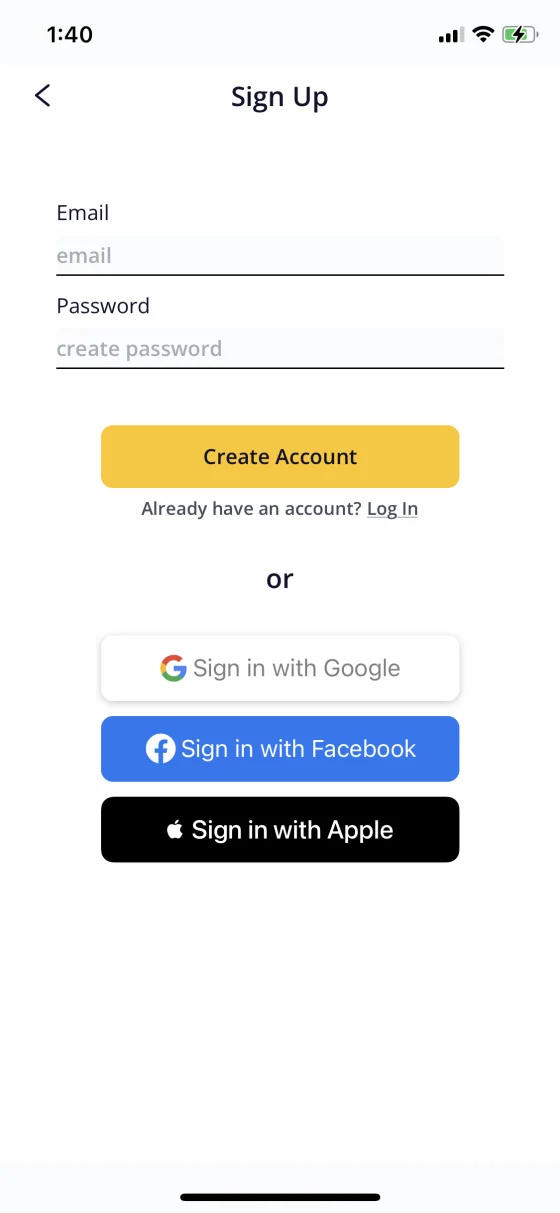
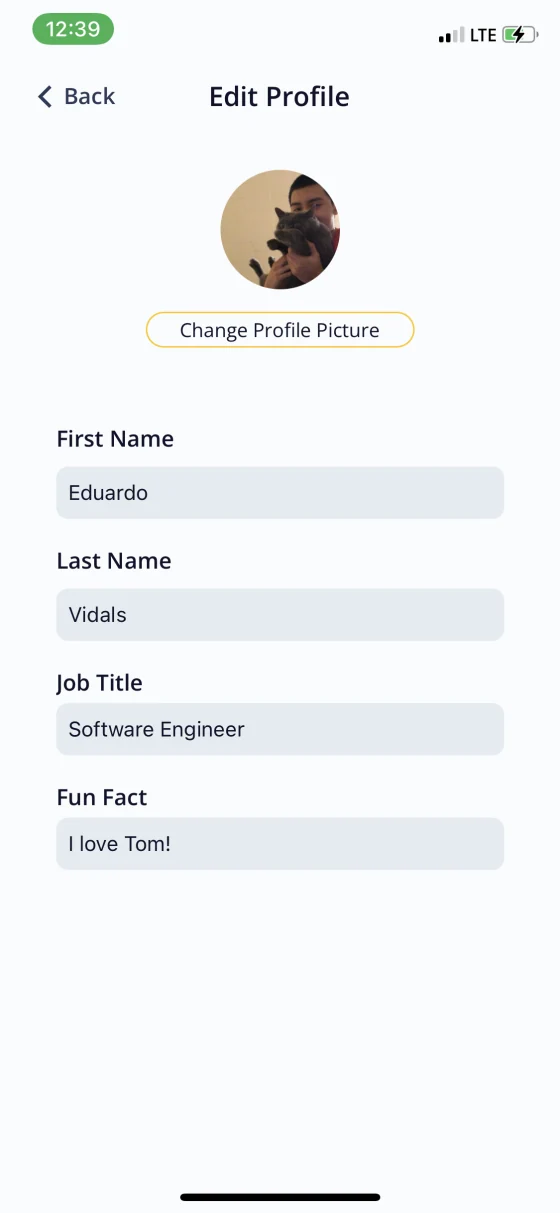
I would work on the functionality of many screens, such as the sign up screen, which would have many important features such as social logins and creating the user in the back-end and editing your profile.
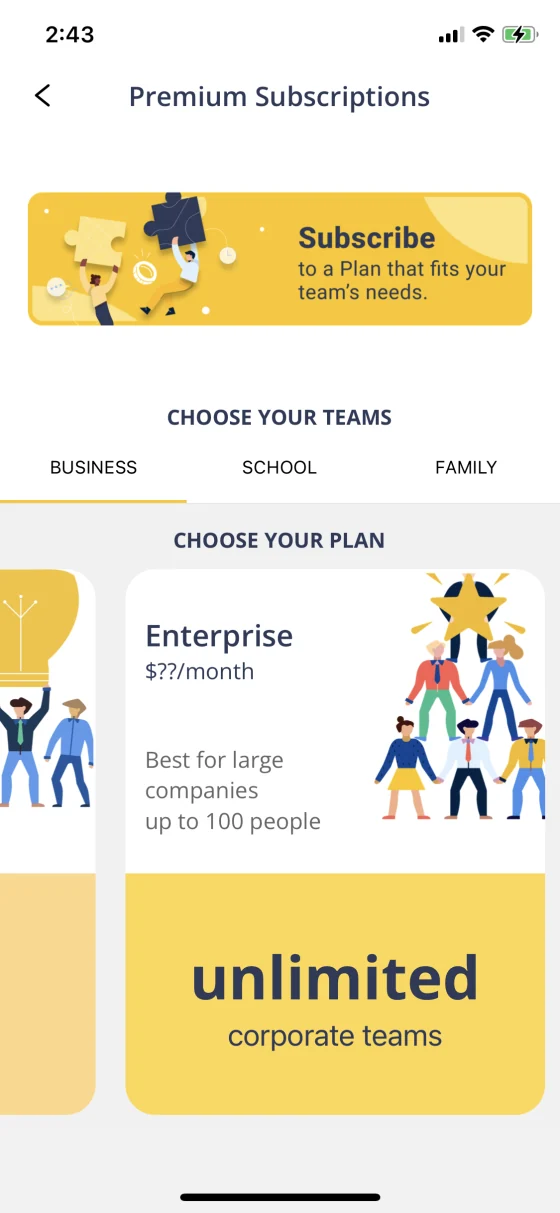
More importantly, I also worked on the screen that allowed in-app purchases for the subscriptions.
However, as a result of Apple taking a cut of in-app purchases, a website was built to process payments of the subscription that a user wanted to purchase. A user would be allowed to go to the website, login, and choose a subscription of their choice.
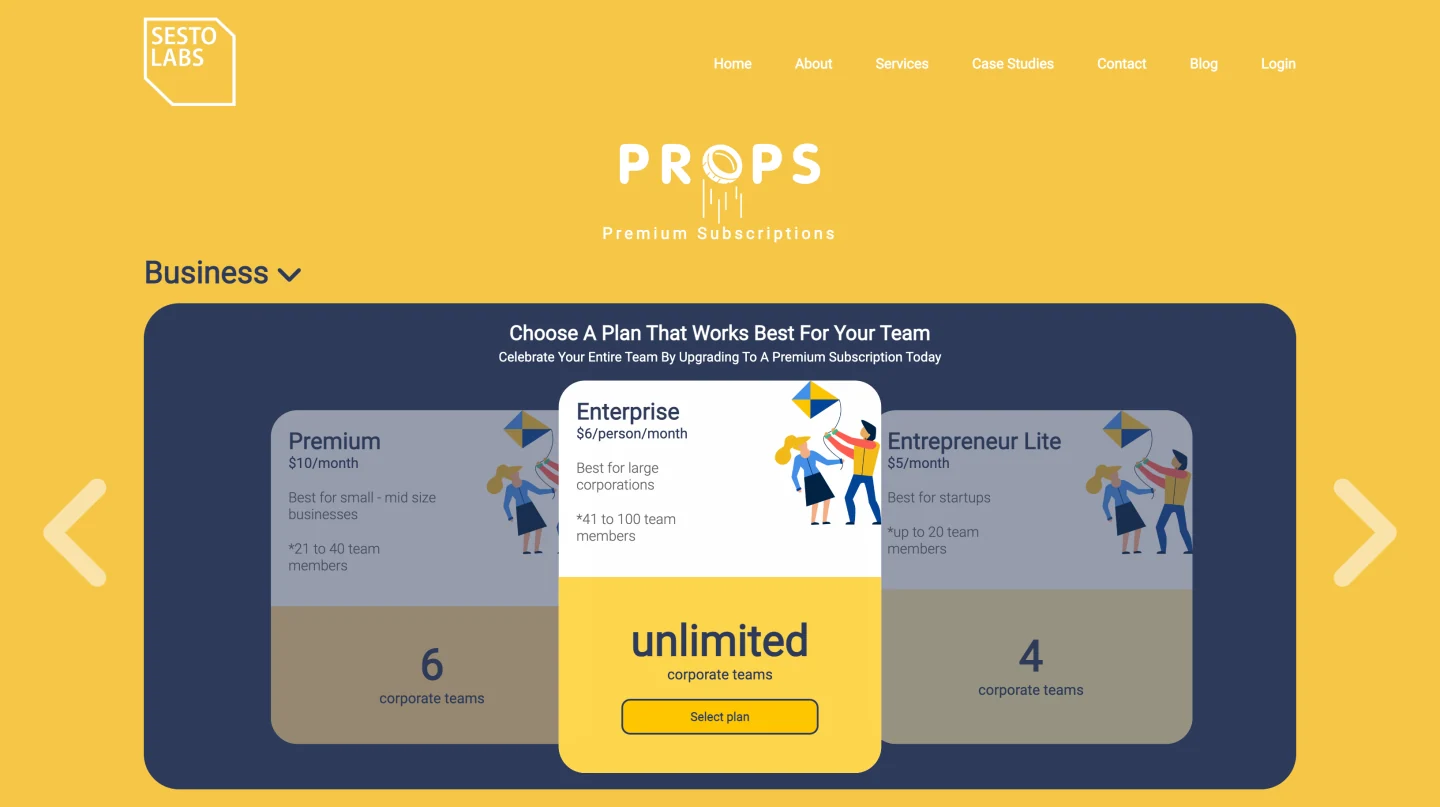
Now, making the front-end screens was relatively simple, but making the actual endpoint for processing purchases was much more difficult as we had to account for important fields needed when processing a payment of a subscription. I would use Stripe's API to account for payments made through the web and store relevant information into the database.
Overall though, I learned a lot of fundamental knowledge in terms of front-end, back-end, and databases.
Once development with Props was finished, I decided to apply my knowledge to the next project I worked on with Smarttwigs, Benev.